2026 Top Busway Trunking System Trends for Efficient Power Distribution?
The landscape of power distribution is evolving rapidly. In this context, the Busway Trunking System stands out due to its efficiency and adaptability. This technology provides a streamlined approach to electricity distribution in commercial and industrial settings. Increasing demand for reliable energy solutions drives innovation in this field.
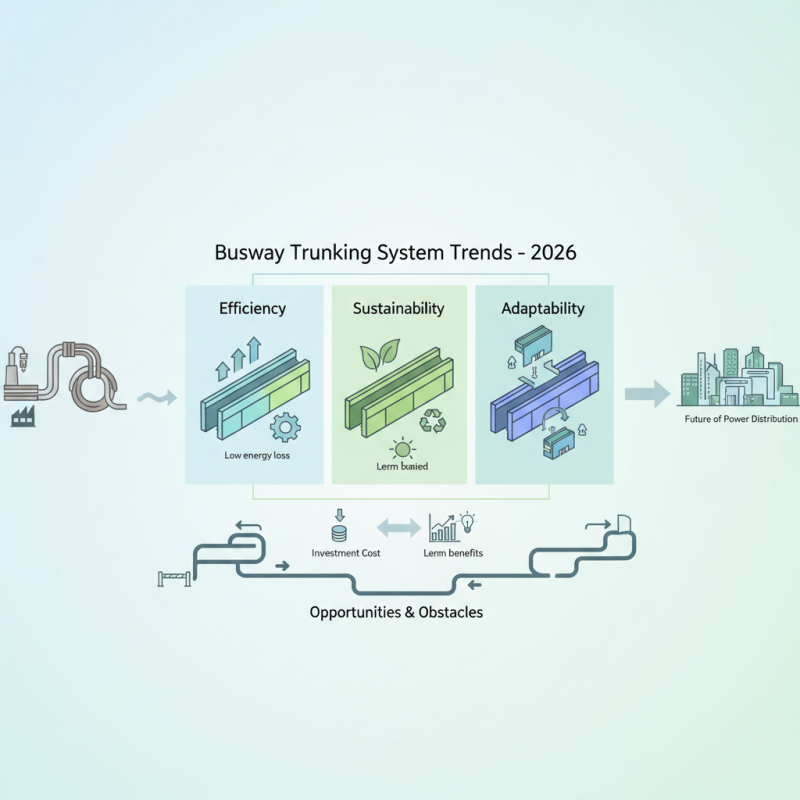
In 2026, trends indicate a growing focus on sustainability and energy efficiency in Busway Trunking Systems. These systems are being designed to minimize energy loss while maximizing performance. However, challenges remain. Integrating new technologies often requires significant investment and expertise. As companies strive for efficiency, they must weigh the cost against long-term benefits.
By exploring the latest trends in the Busway Trunking System, we can understand the direction of power distribution. This examination offers insights into both advancements and shortcomings. The journey towards optimal energy management is complex, revealing both opportunities and obstacles.
Emerging Technologies in Busway Trunking Systems for 2026
The emergence of new technologies in busway trunking systems for 2026 is set to reshape the landscape of power distribution. Enhanced intelligence in these systems can lead to better monitoring and control. Real-time data analytics will provide detailed insights into energy usage. This can help in identifying inefficiencies in distribution networks. Such visibility aids in predictive maintenance, potentially extending the lifespan of electrical components.
Another notable trend is the integration of sustainable materials in trunking systems. Innovative designs focus on reducing environmental impact while maintaining performance. These systems can lower energy consumption significantly. Additionally, modular designs in busways allow for customization and scalability. This versatility meets diverse industrial needs effectively, though it necessitates careful planning to avoid installation complexities.
However, with new technologies come challenges. The reliability of emerging technologies can vary. Not all solutions work seamlessly in every environment. Users must evaluate their specific needs closely. Ensuring that systems are not only advanced but also practical is crucial. Balancing innovation with functionality remains a continuous challenge in the industry, and addressing it will drive future improvements.
Sustainability Trends Impacting Power Distribution Solutions
Sustainable power distribution is becoming essential in today's energy landscape. As businesses focus on reducing their carbon footprint, busway trunking systems are evolving. These systems are designed to improve energy efficiency while maximizing performance. Companies are increasingly adopting materials that minimize environmental impact. Lightweight metal alloys and innovative insulation are prominent choices.
Efficiency is not just about materials, though. The layout of trunking systems plays a crucial role in energy distribution. Shorter routes reduce energy loss and enhance system performance. However, many organizations still struggle with old models that waste energy. Transitioning to newer, more sustainable designs requires investment and planning. It demands a cultural shift towards prioritizing sustainability in energy management.
Regular maintenance of these systems is also necessary. Neglect can lead to inefficiencies and increased emissions. Companies often overlook this aspect, which can undermine their sustainability goals. Embracing new technologies, like smart monitoring, may help owners stay on track. Yet, some face challenges adapting to these advancements. Continuous improvement is key, but it requires commitment and resources.
2026 Top Busway Trunking System Trends for Efficient Power Distribution
Integration of Smart Features in Modern Busway Trunking Systems
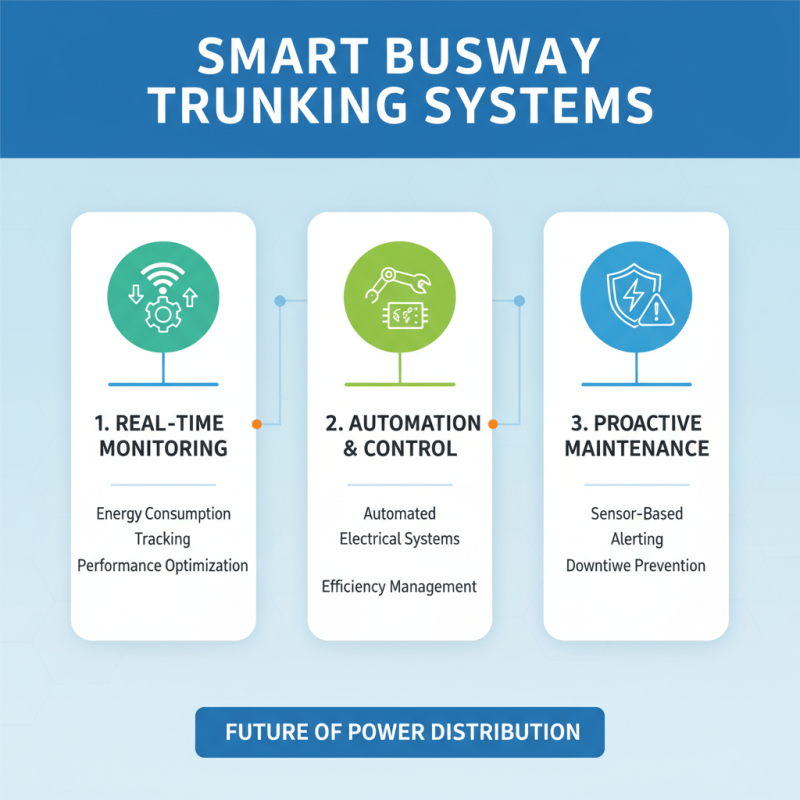
The integration of smart features in modern busway trunking systems is revolutionizing power distribution. These advancements enable real-time monitoring and automation of electrical systems. Facilities can now track energy consumption, ensuring optimal performance and efficiency. Incorporating sensors can provide alerts for potential issues. This proactive approach helps prevent costly downtimes.
Moreover, utilizing advanced data analytics enhances decision-making. Operators gain insights into usage patterns, optimizing load distribution. These smart systems can also learn from operational behaviors and adjust accordingly. However, the implementation can be challenging. Not all facilities are equipped to handle such technology. Training staff to use these systems effectively is crucial.
While these innovations promise efficiency, relying solely on technology has its drawbacks. Technical failures can disrupt operations. There can be a steep learning curve for users. Balancing smart features with traditional systems may be necessary. Transitioning requires careful planning and resources. Each step must be evaluated to ensure success and sustainability in power distribution.
Comparative Analysis of Different Busway Trunking Materials
When considering busway trunking systems, the choice of materials is crucial. Different materials offer unique benefits and limitations. For instance, aluminum is lightweight and easy to install, while copper provides superior conductivity. Steel can offer durability but may add weight. Each material's thermal performance also varies, impacting efficiency and safety.
**Tips:** Evaluate the environment where the busway will be installed. High humidity or temperature extremes can affect material choices significantly.
Conducting a comparative analysis of these materials reveals trade-offs. Aluminum can corrode easily without proper coatings. Copper, although effective, is more expensive and heavier. Steel's robustness may lead to increased installation challenges but enhances system longevity.
**Tips:** Always consult with experts on compatibility. They can guide material selection based on specific project needs.
Understanding these aspects helps in creating an efficient power distribution system. Yet, decisions need careful reflection. The balance between cost, durability, and performance is delicate. Each project’s unique needs will dictate the ideal choice.
Impact of Regulatory Standards on Busway Trunking Innovations
The evolution of busway trunking systems is significantly shaped by regulatory standards. These standards often dictate specific safety and efficiency metrics. For instance, the International Electrotechnical Commission (IEC) 61439 series sets benchmarks for low-voltage switchgear and control gear assemblies. Compliance ensures that products must endure rigorous testing for insulation and thermal management. Such regulations push manufacturers to innovate.
The development of advanced materials has also emerged due to these standards. In a recent industry report, it was noted that over 40% of manufacturers are investing in new technologies to meet compliance. This includes the use of lightweight yet durable materials. However, the challenge lies in balancing compliance with cost efficiency. Some companies struggle to meet both objectives.
Furthermore, the rise of smart busway systems reflects a shift towards digitization in power distribution. These systems often include integrated monitoring capabilities. A report from a leading energy consultancy indicated that nearly 60% of energy professionals believe regulatory incentives will drive integration. Yet, the pace of these changes can sometimes leave smaller firms behind. There is a need for continuous improvement in adapting to these dynamic regulations.