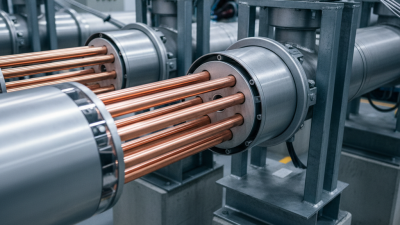
2026 Top Trends in Cable Bus Duct Technology and Applications?
The evolution of Cable Bus Duct technology continues to shape modern electrical infrastructure. According to a recent market research report, the global cable bus duct market is projected to grow at a CAGR of over 6% through 2026. This trend highlights the increasing demand for efficient power distribution systems in various sectors such as construction, manufacturing, and energy.
Recent advancements in materials and design have improved the performance and sustainability of Cable Bus Duct systems. Innovations, such as enhanced insulation and modular designs, contribute to reduced energy losses and increased flexibility in installations. As industries move towards energy efficiency, these attributes are crucial. However, challenges remain, such as managing installation complexities and ensuring compatibility with existing systems.
In 2026, trends will focus on smart integration capabilities and modular designs. The adoption of IoT technology within these systems is expected to rise. Real-time monitoring and predictive maintenance can reduce operational costs significantly. Yet, this progress must consider the existing infrastructure and varied regional regulations. Embracing innovation while addressing these complexities will be key to the future of Cable Bus Duct applications.

Overview of Cable Bus Duct Technology in 2026
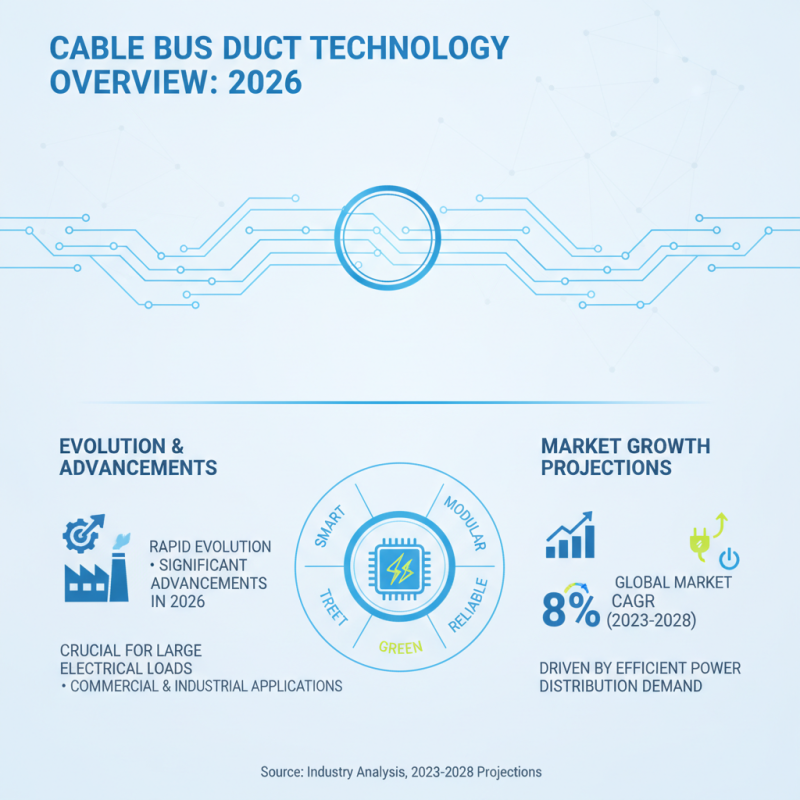
Cable bus duct technology is rapidly evolving, with 2026 set to witness significant advancements. This infrastructure is crucial for managing large electrical loads in commercial and industrial applications. The global market for cable bus systems is projected to grow at a CAGR of 8% from 2023 to 2028, driven by increasing demand for efficient power distribution systems.
In this landscape, modular designs are gaining traction. They offer flexibility and easier installation processes. These systems enable quicker adaptations to changing needs, making them a preferred choice. Reports indicate that over 70% of electrical engineers favor modular solutions for large scale projects. This trend suggests a shift towards more agile infrastructure.
Tips: Always assess installation locations for space and load requirements. Proper planning helps avoid costly adjustments later. Additionally, consider future expansions when choosing cable bus systems. This foresight can optimize your investments and reduce future costs.
Collaboration with qualified professionals is essential. Engineers should stay updated on trends and innovations. Awareness of new materials and techniques can lead to better decision-making. Involving experienced consultants can mitigate risks and improve system reliability.
Key Innovations in Cable Bus Duct Design and Materials
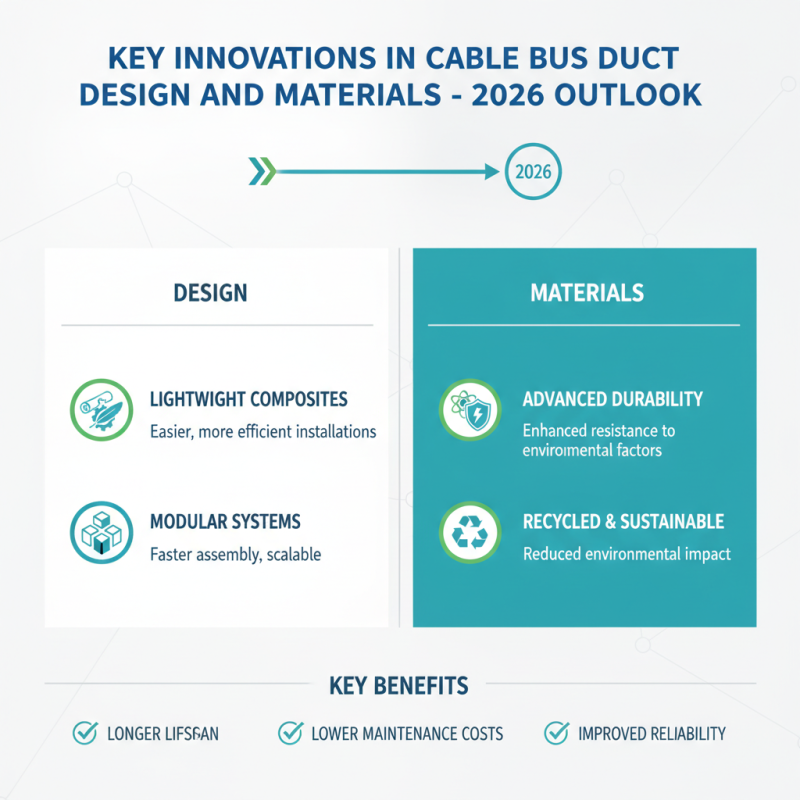
As we look toward 2026, the cable bus duct industry is evolving. Key innovations in design and materials offer exciting possibilities. Advanced materials enhance durability, offering better resistance to environmental factors. Lightweight composites are becoming popular, making installations easier and more efficient. These innovations promote longer lifespans, reducing maintenance costs.
New design concepts focus on modular systems. This modular approach allows for easier upgrades and expansions. By simplifying installation processes, these systems can adapt to changing energy demands. A few companies are exploring smart technologies to monitor cable integrity. However, integrating these technologies poses challenges; data security and system compatibility remain concerns.
The focus on sustainability is also growing. Many manufacturers are exploring eco-friendly materials. This trend reflects the industry's commitment to reducing its environmental footprint. Nonetheless, the balance between sustainability and performance is delicate. Designers must ensure that new materials do not compromise safety or efficiency. In their pursuit of innovation, the industry must keep safety standards at the forefront.
Applications of Cable Bus Ducts in Industrial and Commercial Settings
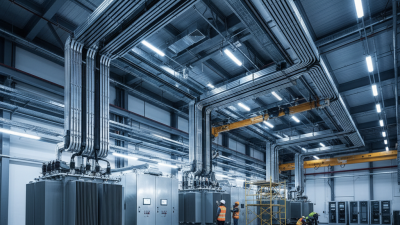
Cable bus ducts are gaining traction in industrial and commercial settings due to their safety and efficiency. These systems can carry large quantities of electrical power securely, making them perfect for factories and data centers. They offer excellent flexibility and scalability. With changing energy demands, businesses find these ducts to be a reliable option for their infrastructure needs.
Tips: Choose the right materials. Consider environments with moisture or dust. This choice enhances the durability of the cable bus systems. Regular maintenance checks are vital. Ensure all connections are secure to prevent downtime.
In addition, these systems facilitate easy installation and reconfiguration. Companies can adapt to new technologies without major disruptions. However, oversizing can lead to unnecessary costs. Balancing the requirements with future growth is key. Integrating cable bus ducts requires careful planning and foresight.
Tips: Assess your current and future power needs. This assessment drives effective planning. Consulting experts can guide the right decisions. Remember that effective installation directly impacts efficiency and safety.
Sustainability Trends in Cable Bus Duct Manufacturing
Sustainability in cable bus duct manufacturing is gaining momentum. As industries move towards green practices, there’s a renewed focus on using eco-friendly materials. This shift minimizes waste and reduces the industry's carbon footprint. Not only does this help the environment, but it also enhances the image of manufacturers committed to sustainability.
Tips: Consider sourcing materials with a lower environmental impact. Using recycled metals can significantly cut down resource consumption. Evaluate your manufacturing processes for energy efficiency.
Adapting to sustainable methods also requires innovation. Manufacturers are exploring advanced technologies, like smart monitoring systems. These systems optimize energy use during production and operation, leading to longer-lasting products. However, this transition can be challenging for smaller companies. The initial investment might deter them from adopting these practices.
Tips: Look for partnerships with eco-conscious suppliers. Collaborating can lower costs and promote shared values. Embrace continuous learning to keep up with new sustainable technologies.
Future Challenges and Opportunities in Cable Bus Duct Technology
The cable bus duct technology landscape is shifting. As industries evolve, challenges will arise in standardization and integration. Companies must adapt to new regulatory frameworks and technological advancements. This adaptation can be burdensome. Sometimes, firms may not align solutions with actual field needs. A gap often exists between innovative designs and practical implementations.
Opportunities also lie ahead in this technological transformation. Enhanced energy efficiency is one such benefit. Companies that innovate could see reduced operational costs. However, innovation requires investment and commitment. If firms miss the mark, they risk falling behind. Another challenge is the pressure to maintain safety standards while improving capacity. This balancing act is critical in expanding applications.
Lastly, the demand for customization is growing. Clients have unique requirements that standard products may not meet. This poses a significant challenge for manufacturers. They must find ways to offer tailored solutions. Creativity in design and production processes will be necessary to thrive. The road ahead in cable bus duct technology is filled with both challenges and opportunities, requiring vigilance and adaptability from all stakeholders.