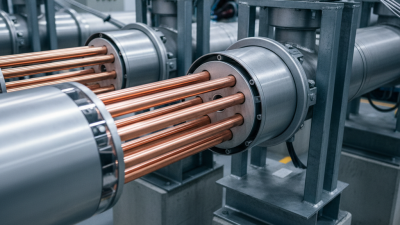
A Busway System can look straightforward in a catalog: metal housing, insulated conductors, plug-in outlets. On site, the details matter. A route that crosses a fire-rated wall, a dusty production floor, or a low-clearance ceiling can change which design is practical. Global buyers also need to check local electrical requirements with qualified professionals; one specification does not fit every market.
“Buy the installation, not just the busbar.” This is an editorial buying principle, not a verified quotation from a named industry expert. A credible expert’s name and exact words should be confirmed from a reliable source before publication. That distinction matters: purchasing advice should be as traceable as the product’s test records.
This guide introduces seven checks for comparing suppliers and proposals. It covers load capacity, voltage and frequency, conductor material, enclosure rating, connection points, expansion plans, and after-sales support. Ask for drawings, test documentation, warranty terms, and clear answers about spare parts. A glossy brochure is not enough. Nor is the lowest price always the best value.
Small oversights can become expensive. A tap-off point placed beyond reach may complicate maintenance. A system sized only for today’s load may leave little room for growth. Buyers should document assumptions and have engineers review the design before ordering. Even then, specifications can miss real site conditions. Recheck them.
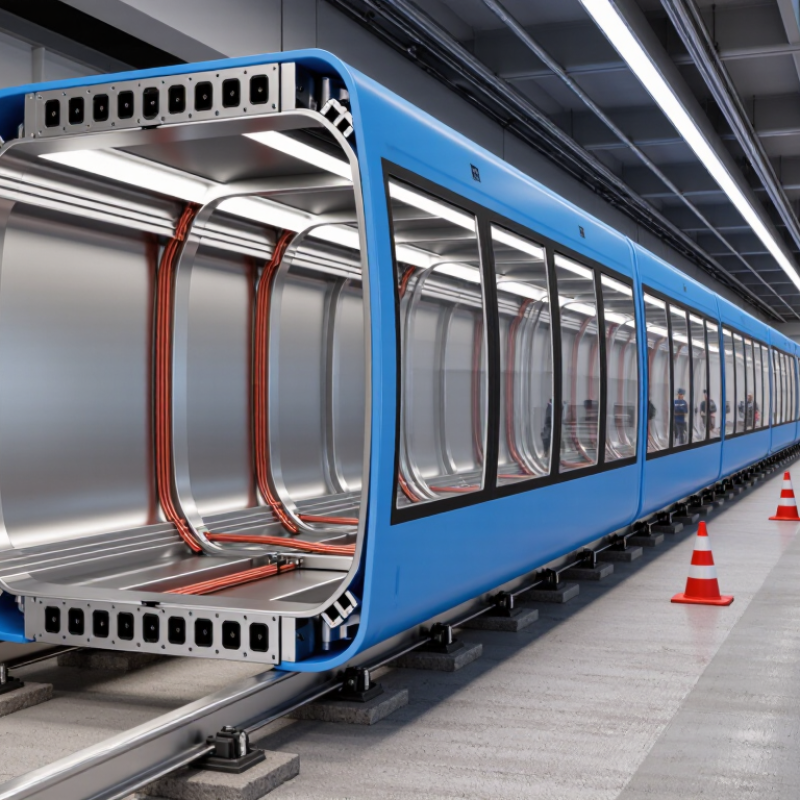
A busway system is more than a metal trunk carrying power. It is a coordinated assembly of conductors, insulation, an enclosure, joints, supports, and connection points. The IEC 61439-6 standard addresses low-voltage busbar trunking systems, including design verification and construction requirements. Buyers should check that the specified assembly—not merely individual parts—matches the intended voltage, current, fault level, and installation environment.
Inside the enclosure, copper or aluminum conductors carry current, while insulation separates phases and reduces the risk of contact. Joint packs connect straight sections and fittings; poor alignment or incorrect tightening can create hot spots. Tap-off units provide branch connections for equipment, and may include protective devices. Supports hold the run securely, especially around bends and vertical sections. Grounding arrangements and enclosure continuity also matter. Small details count.
Demand is rising. The International Energy Agency’s Electricity 2024 report projects average global electricity-demand growth of about 3.4% annually from 2024 through 2026. That broader trend does not determine a project’s busway size, but it reinforces the need to plan for actual loads and future expansion. A practical review compares drawings with site conditions: ceiling clearance, route length, ambient temperature, and access for maintenance. One overlooked joint can complicate a whole installation.

7 Busway System Buying Tips for Global Buyers
Assessing Electrical Capacity, Voltage, and Future Expansion Needs
Tip 1: Define the real electrical load, not only the current rating. Review motors, servers, lighting, and heating equipment together. Include starting currents and harmonic loads from electronic equipment. A 400-amp system may appear sufficient today, yet peak demand can rise sharply during production changes. Field inspections often reveal overloaded feeders, unclear labeling, or unused circuits counted incorrectly.
Tip 2: Confirm voltage, frequency, phase configuration, and fault levels before requesting quotations. These details affect conductor spacing, insulation, protection settings, and installation clearances. Local electrical rules may also require specific testing or enclosure ratings. Do not assume one voltage standard fits every facility. A small mismatch can delay commissioning.
Tip 3: Plan for expansion. Reserve capacity carefully, but avoid paying for unrealistic growth. Consider spare plug-in points, accessible joints, additional tap-off units, and routes for future branches. Keep thermal conditions in mind; high ambient temperatures can reduce practical capacity. This is easy to overlook.
Tip 4: Compare short-circuit withstand ratings with the facility’s available fault current. Ask for verified test documents, temperature-rise data, and installation instructions. Independent engineering review adds reliability, especially for large sites or mixed-voltage areas. Some early designs look efficient on paper but become difficult to maintain after equipment is added.
Tip 5: Check whether maintenance teams can isolate sections safely. Clear labeling, compatible accessories, and sufficient working space matter as much as electrical capacity. Design drawings should show both present circuits and planned extensions. Revisit the load forecast before purchase; assumptions can age faster than the equipment.
| # | Buying tip | What to assess | Practical check |
|---|---|---|---|
| 1 | Calculate the required current | List connected loads, demand assumptions, load diversity, and expected operating patterns. Do not size from connected load alone. | Have the design engineer verify the calculated current and select the next suitable tested busway rating, allowing for applicable installation conditions. |
| 2 | Confirm system voltage and frequency | Check the network voltage, phase arrangement, frequency, and earthing system. Common low-voltage networks include 400/230 V at 50 Hz and 480/277 V at 60 Hz, but local systems vary. | Match the busway's rated operational voltage and configuration to the project supply and connected equipment. |
| 3 | Check temperature and installation conditions | Ambient temperature, enclosure, orientation, altitude, grouping, and ventilation can affect permissible current or required derating, depending on the product design. | Request the manufacturer's rating tables for the actual installation conditions; do not assume the nameplate rating applies unchanged in every environment. |
| 4 | Verify short-circuit withstand | The busway assembly must be suitable for the prospective fault current and the protective-device clearing conditions at its installation point. | Compare the project's calculated fault level and protection data with the system's documented short-circuit withstand rating. |
| 5 | Plan for future expansion | Consider forecast load growth, spare tap-off positions, route extensions, and the availability of compatible fittings and joint packs. | Document the expansion allowance and confirm whether future additions can be made safely under the system's installation and operating instructions. |
| 6 | Compare standards and local approvals | Requirements differ by destination market. IEC 61439-6 covers busbar trunking systems; UL 857 is a relevant standard for busways in the United States. | Confirm the applicable standard, certification, and authority requirements for the project location, and request supporting documentation. |
| 7 | Check route, interfaces, and total cost | Review route dimensions, bends, supports, fire barriers, environmental protection, connection points, and installation access—not just the price per metre. | Obtain a coordinated layout and itemized quotation covering fittings, tap-off units, supports, testing, shipping, and installation requirements. |
Note: Final selection should be verified by a qualified electrical engineer against project calculations, local regulations, and the system manufacturer's technical documentation.
Busway selection starts with the load, not the catalogue. Feeder busway carries power between major electrical points; plug-in busway adds outlets along a route for changing layouts. For data centers and factories, that flexibility can reduce cable runs, but it does not remove the need to check fault ratings, voltage drop, and future capacity. The International Energy Agency’s Electricity 2024 report recorded 2.2% growth in global electricity demand in 2023 and projected faster growth through 2026. That trend makes spare capacity worth evaluating, though oversizing every run can waste money and space.
Materials change both performance and installation effort. Copper generally offers higher conductivity in a smaller cross-section, while aluminum can reduce conductor weight and purchase cost. Compare rated current, temperature rise, joint design, enclosure protection, and verified test data—not material price alone. Pay attention to the room, too. A heavy section above a narrow service aisle may complicate lifting and maintenance. It sounds minor. It isn’t.
Before ordering, map the route and confirm support spacing, clearances, fire barriers, tap-off access, and joint locations with the project team. IEC 61439-6 covers busbar trunking systems, including assembly verification requirements; request documentation against the applicable edition. Site tolerances can be unforgiving. Measure twice, especially around beams and switchgear. A neat drawing may still miss a sprinkler pipe, and that oversight can turn a simple installation into rework.
Copper offers higher electrical conductivity, while aluminum is substantially lighter. These approximate properties of pure metals at 20°C provide a useful starting point; actual busway performance depends on conductor design, temperature rise, enclosure, and manufacturer ratings.
Before buying a busway system, check which safety standards apply at the installation site. IEC 61439-6 covers busbar trunking systems, while other markets may require different standards or approvals. Confirm the exact edition and product scope with the project engineer. A certificate for one configuration may not cover another. Details matter.
Ask suppliers for current test reports and certificates from recognized, independent bodies. Match the documents to the proposed rating, enclosure, joint design, and accessories. Check short-circuit withstand ratings, ingress protection, temperature-rise results, and fire-barrier details where relevant. A neat brochure is not enough. Request evidence.
Supplier qualifications deserve the same scrutiny as product documents. Review quality-management records, manufacturing controls, material traceability, and inspection procedures. Ask how each busway section is identified and tested before dispatch. References from comparable projects can reveal practical issues, such as delivery delays or difficult joint assembly. I have seen procurement teams overlook after-sales support; that can be a costly gap. Confirm who answers technical questions, supplies replacement parts, and supports installation. If documents conflict or seem incomplete, pause and ask for clarification rather than assuming the system is compliant.
7 Busway System Buying Tips for Global Buyers
Compare total cost, not only the purchase price. The IEA’s Energy Efficiency 2023 report states that buildings consume about 30% of global final energy. Therefore, assess conductor losses, heat performance, installation labor, and future expansion. Request measured efficiency data under your expected load. Check whether accessories, testing, packaging, and customs fees are included. A low quote can still become expensive.
Confirm delivery dates with a written production schedule. Review factory capacity, inspection procedures, and spare-parts availability. The World Bank’s Logistics Performance Index 2023 shows significant differences in shipment reliability across markets. Build time buffers for ports, documentation, and local transport. Uptime Institute’s 2023 Global Data Center Survey reported that some outages exceeded one million dollars in impact. Delayed replacement parts can therefore cost more than the original equipment.
Define warranty coverage precisely. Ask whether it includes labor, travel, replacement materials, and commissioning support. Check response times for urgent faults. Require drawings, test certificates, maintenance manuals, and remote troubleshooting access. Visit a reference installation when possible. After-sales quality is difficult to measure from brochures. In project reviews, buyers sometimes discover that “global support” means email only. That weakness should be challenged before signing. Allow a small contingency budget, because even careful planning misses something.