How to Choose the Best Aluminum Bus Duct for Your Needs?
Choosing the best Aluminum Bus Duct for your projects can feel overwhelming. Industry expert John Smith once stated, "Finding the right bus duct is crucial for both efficiency and safety." His words emphasize the importance of making an informed choice in this specific field.
Aluminum Bus Ducts are essentials in electrical distribution. They connect power sources to machinery. Choosing the right one ensures reliability and performance. However, many factors must be considered. The material type, size, and rating play significant roles. Quality can vary from one manufacturer to another.
Selecting Aluminum Bus Ducts isn’t just about specifications. It's about compatibility with existing systems. Moreover, some designs may not suit every environment. Potential users often overlook this aspect. Understanding the operational demands is vital. Ultimately, the right decision leads to long-term benefits. Yet, it requires careful evaluation and reflection on individual needs.
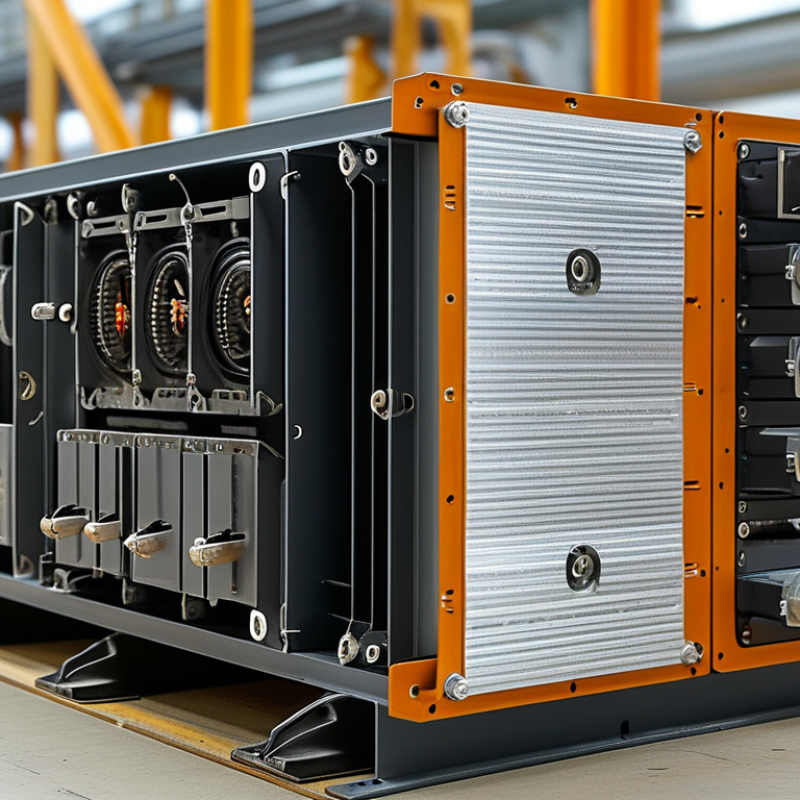
Understanding the Basics of Aluminum Bus Duct
When selecting an aluminum bus duct, understanding the basics is crucial. Aluminum bus ducts are essential for efficient power distribution. They are lightweight and have high conductivity, making them a popular choice in various industries.
According to a recent market analysis, the global demand for aluminum bus ducts is projected to grow by 8% annually through 2027. This growth is driven by increasing energy needs and advancements in technology. Choosing the right bus duct involves considering factors like ampacity, size, and environmental conditions.
Tips: Always assess your specific load requirements. Customizing the duct size ensures optimal performance. Additionally, consider the installation environment; coastal areas may require corrosion-resistant options.
Improper installation can lead to serious performance issues. Make sure to follow industry standards during installation. It's also beneficial to review past projects for insights, as each installation may reveal unique challenges and solutions. Flexibility in design can help adapt to future energy demands.
How to Choose the Best Aluminum Bus Duct for Your Needs?
| Dimension |
Material Type |
Current Rating (Amps) |
Length (ft) |
Price Range ($) |
| 12"x12" |
Extruded Aluminum |
800 |
10 |
500 - 700 |
| 10"x10" |
Die-Cast Aluminum |
600 |
12 |
400 - 600 |
| 8"x8" |
Sheet Aluminum |
400 |
8 |
300 - 500 |
| 14"x14" |
Forged Aluminum |
1000 |
15 |
700 - 900 |
Identifying Your Power Distribution Requirements
When identifying your power distribution requirements, it's critical to understand your system's capacity. This involves analyzing your load demands and future expansion plans. According to the IEEE, a well-designed bus duct should support at least 30% more capacity than current needs to accommodate future growth. This foresight minimizes the chances of overloading and potential downtime.
Tip: Always consider peak load conditions. Knowing the maximum demand on your electrical system can help in selecting the right size. Overestimating can lead to unnecessary costs, but underestimating might result in system failures.
Another factor is the operating environment. High humidity, dust, or extreme temperatures can affect performance. A report from the NEC highlights that environmental conditions can significantly reduce the lifespan of bus duct systems. Evaluating these conditions early in the process is vital for long-term reliability and safety.
Tip: Conduct regular assessments of your environment. Regular checks can uncover issues that may lead to premature equipment failure. It can also inform your decisions on maintenance schedules and necessary upgrades.
Power Distribution Requirements for Aluminum Bus Ducts
This chart illustrates the typical power distribution requirements across different facilities, showcasing the ampacity needed for aluminum bus ducts in various applications.
Evaluating the Environmental Conditions for Bus Duct Installation
When evaluating environmental conditions for bus duct installation, several factors come into play. First, temperature ranges must be considered. High ambient temperatures can affect performance. If the location experiences extreme conditions, a robust design is crucial. Humidity levels also influence insulation properties. A highly humid environment can lead to corrosion over time. Planning for moisture resistance is necessary.
Next, consider dust and pollution levels. Areas with heavy sediment or corrosive substances require protective measures. Dust can accumulate within the ducts, impacting efficiency. Review the local air quality and environmental standards. This assessment can prevent future maintenance issues.
Finally, assess the physical installation space. Ensure adequate clearance for installation and maintenance. Constraints can lead to improper ventilation, hindering performance. Inadequate space may force difficult maintenance access, complicating repairs. Each detail matters when selecting the right aluminum bus duct based on environmental conditions.
Comparing Different Aluminum Bus Duct Models and Features
When comparing different aluminum bus duct models and features, it’s vital to assess their specifications carefully. Aluminum bus ducts vary in size, capacity, and design. Some models provide higher current ratings, while others are more compact. Consider how much space you have and the load requirements of your electrical system.
Look closely at the installation process too. Some models are designed for easy assembly, while others require more time and tools. Various features, such as insulation and environmental ratings, cannot be overlooked. For instance, certain models are better suited for humid environments. Understanding these technical details can lead you to a more suitable choice for your needs.
However, not all aluminum bus ducts are created equal. Some may promise high performance but fall short during intense operation. Real-world testing shows that some choices do not withstand the expected wear and tear. Therefore, thoroughly investigate user reviews and professional recommendations. Balancing these insights with your specific requirements is crucial.
Analyzing Costs and Long-Term Benefits of Aluminum Bus Ducts
When considering aluminum bus ducts, understanding costs and long-term benefits is crucial. Recent data from the Electrical Contractors Association indicates that aluminum bus ducts can lead to a 15% reduction in installation costs compared to traditional copper systems. This saving stems from aluminum's lightweight nature, which reduces transportation and handling expenses. Additionally, the lower weight allows for more straightforward installation processes.
However, it’s essential to weigh these savings against potential factors. For example, while aluminum has lower upfront costs, its long-term performance may vary based on environmental conditions. Some reports suggest that aluminum can be more prone to corrosion, which could lead to maintenance challenges. Studies show that, under specific conditions, the total lifetime cost of aluminum bus ducts might exceed that of copper due to these maintenance requirements.
Investing in aluminum bus ducts requires a careful analysis. The initial savings can be appealing, yet the long-term performance must be a vital consideration. HVAC & Electrical Diagnostics state that adequate insulation and protective coatings can mitigate some corrosion risks. Understanding the specific application needs will help determine the true value of aluminum bus ducts for different projects.