Top Bus Duct Feeder Solutions for Global Buyers in 2026?
As the demand for efficient electrical distribution rises, Bus Duct Feeders are becoming a focal point in industrial settings. According to a recent report by the Global Electrical Distribution Market, the Bus Duct market is projected to grow at a CAGR of 5.8% through 2026. This growth is driven by the need for better power management in commercial and industrial facilities.
Industry expert Dr. Sarah Hughes, who specializes in electrical infrastructure, has emphasized the importance of Bus Duct Feeders. She stated, "Choosing the right Bus Duct solution can significantly enhance operational efficiency." This highlights the critical role of high-quality Bus Duct Feeders in modern applications.
Despite advancements, challenges remain in supply chain management and technology integration. Many buyers struggle to identify reliable suppliers. The focus should be on developing robust solutions that cater to evolving energy needs. As the market matures, evaluating Bus Duct designs will be vital for global buyers seeking the best-fit solutions in 2026.
Overview of Bus Duct Feeders and their Importance in Modern Utilities
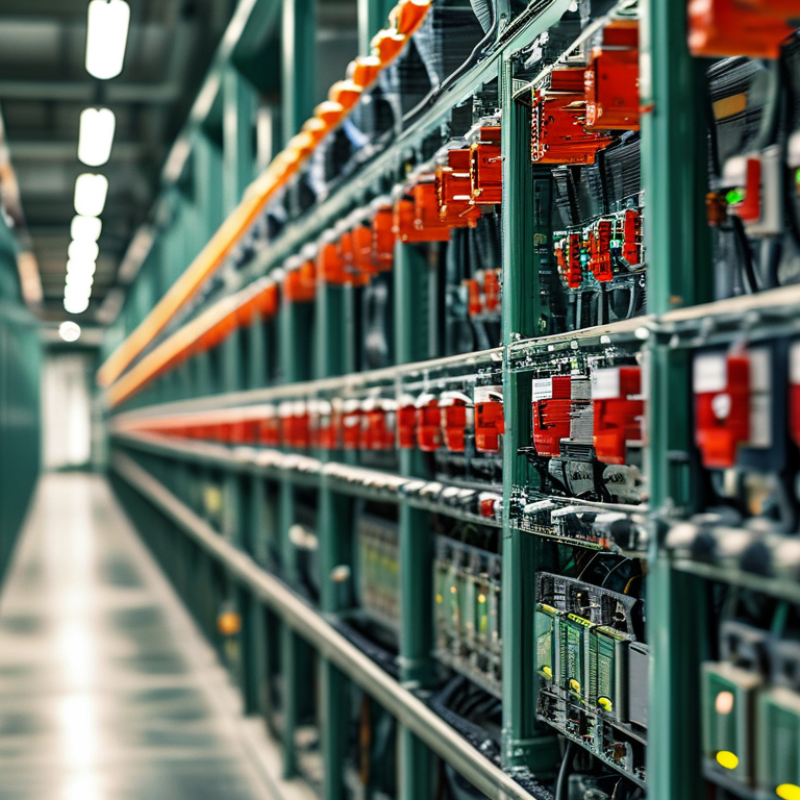
Bus duct feeders play a crucial role in modern utilities. They distribute electrical power safely and efficiently. In 2022, the global bus duct market was valued at approximately $6.5 billion. It is projected to reach over $9 billion by 2026, reflecting a solid growth trend.
The importance of bus duct feeders lies in their ability to reduce operational costs and improve energy efficiency. Reports indicate that systems with bus duct technology can enhance energy distribution by up to 20%. This performance improvement is particularly significant in industrial and commercial settings.
However, challenges persist. Aging infrastructure remains a concern for many utilities. Upgrading existing systems requires careful planning and investment. Additionally, the complexity of some installations can lead to inefficiencies if not managed properly. These factors highlight the need for continual assessment of bus duct solutions in a rapidly changing energy landscape.
Top Bus Duct Feeder Solutions for Global Buyers in 2026
Key Features of Top Bus Duct Feeder Solutions in 2026
In 2026, bus duct feeder solutions will evolve significantly. Buyers will demand enhanced efficiency and reliability. Modern designs will focus on compactness and adaptability. Flexible configurations will cater to diverse industrial needs.
One key feature will be improved thermal management. Effective heat dissipation systems will prevent overheating and ensure longevity. Buyers will also prioritize safety mechanisms, such as built-in circuit protections. These advancements can enhance operational safety in dynamic environments.
Cost-effectiveness will remain crucial. Manufacturers must balance quality and affordability. Users may encounter challenges in selecting the right products, given the myriad of options. Technical support and guidance will become vital in this process. Adapting to these changes will require continuous learning and assessment.
Market Trends Influencing Bus Duct Feeder Demand Globally
The global demand for bus duct feeders is rapidly evolving. Various market trends are impacting this demand. One significant trend is the increasing push for energy efficiency. Industries are striving to reduce their carbon footprints. This shift drives the need for bus duct systems that optimize energy usage and minimize waste.
Another crucial factor is technological advancement. Innovations in materials and design have enhanced functionality and safety. Intelligent bus duct systems with integrated monitoring features are becoming common. These systems provide real-time data on energy consumption. Users are now better equipped to make informed decisions. However, the integration of these technologies can be a daunting task for some.
Additionally, the growing focus on renewable energy sources is noteworthy. Many industries are adapting to integrate solar and wind power into their infrastructure. This integration often requires advanced electrical distribution systems. Yet, there remains a knowledge gap in the market. Buyers must be cautious and seek reliable partners for their bus duct solutions. The right expertise can significantly impact the success of these installations.
Comparative Analysis of Leading Bus Duct Feeder Manufacturers
In 2026, the demand for bus duct feeders will continue to rise. Global buyers will seek reliable solutions to meet their energy distribution needs. This creates an opportunity for manufacturers to innovate. They must adapt to evolving technology and regulations.
A comparative analysis reveals key aspects of leading bus duct feeder manufacturers. Efficiency and durability are essential factors. Products should withstand harsh conditions while ensuring optimal performance. Designs should facilitate easy installation and maintenance. Manufacturers offering comprehensive support can stand out.
Quality control processes are crucial. Manufacturers must consistently deliver reliable products. Feedback from clients offers insights for improvement. Adapting to market needs is vital. This can enhance reputation and client trust. In a competitive environment, continuous innovation will be necessary. Buyers will expect more specialized solutions tailored to their unique requirements.
Innovative Technologies Enhancing Bus Duct Feeder Efficiency and Safety
As the global market for bus duct feeders continues to grow, innovative technologies are pivotal in enhancing efficiency and safety. Emerging solutions integrate smart monitoring systems, which detect overloads and heat anomalies. According to a report by ResearchAndMarkets, the market is expected to grow at a CAGR of 6.2% from 2021 to 2026. This highlights the importance of adopting the latest advancements in the industry.
The implementation of advanced materials also plays a significant role. For instance, using insulated conductor bars improves durability and reduces maintenance needs. Statistics from the Electrical Engineering Journal reveal that these materials can decrease energy losses by up to 10%. Efficiency gains are essential as demand for electricity rises globally.
Tips: Regularly evaluate your bus duct systems. Data indicates that neglecting maintenance can lead to 30% more operational failures. Additionally, invest in training for your team. A knowledgeable workforce can respond to issues more effectively and ensure safety standards. Regular updates in technology should be considered to align with advancements in the industry. Proper integration can exponentially benefit operational safety and reliability.