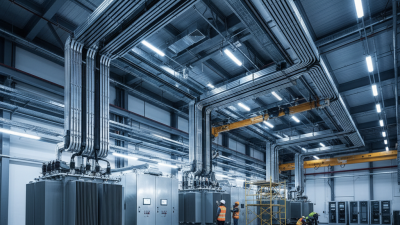
Top 10 Busduct Electrical Solutions for Global Buyers?
In the dynamic world of Busduct Electrical solutions, industry experts constantly explore innovative designs. John Smith, a recognized authority in electrical engineering, says, "The future of Busduct Electrical lies in sustainability and efficiency." This sentiment resonates with global buyers seeking advanced, reliable options for their infrastructure.
Busduct Electrical systems are integral to modern electrical distribution. These systems offer numerous advantages, such as enhanced safety and reduced installation time. However, challenges remain in balancing efficiency with cost-effectiveness. As markets evolve, companies must adapt to changing regulations and environmental standards.
Understanding the complexities of Busduct Electrical solutions can empower buyers. Selecting the right product requires deep knowledge of performance standards and installation practices. It’s essential to navigate through options while keeping future needs in mind. Only through diligent research can one ensure they’re making a sound investment in their electrical infrastructure.
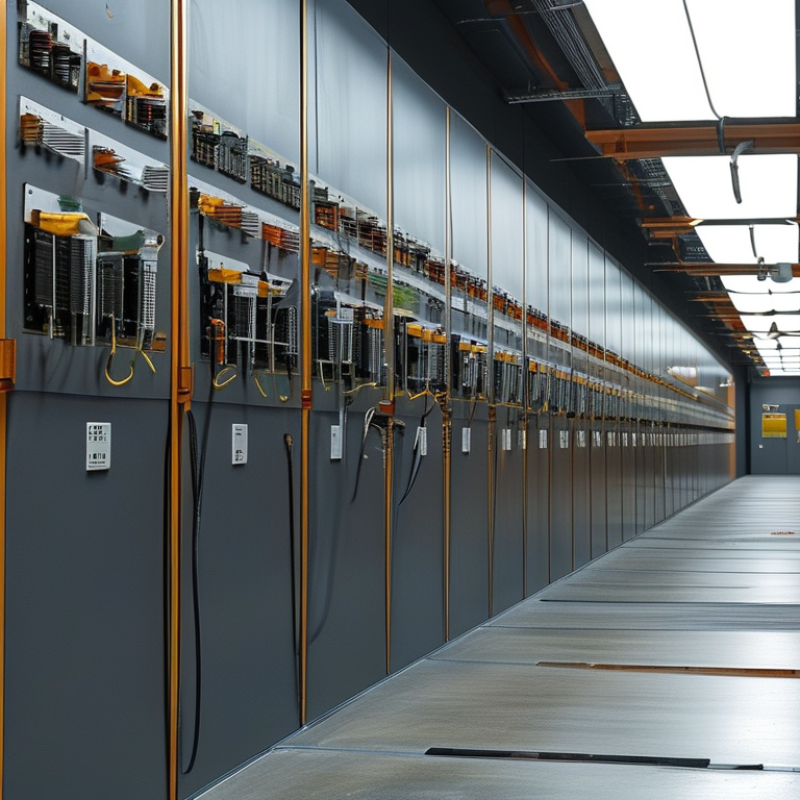
Emerging Trends in Busduct Electrical Systems for Global Markets
Emerging trends in busduct electrical systems reveal substantial innovations driven by global demand. The market is projected to reach USD 7.5 billion by 2025, growing at a CAGR of 4.2%. As industries move towards energy efficiency, busducts play a crucial role in reducing energy losses. This shift highlights the need for robust, flexible solutions that cater to various applications.
Modern busduct systems now incorporate smart monitoring technologies. These solutions provide real-time data on energy usage and load balance. Moreover, enhanced insulation materials are becoming standard. This improves thermal efficiency and reduces fire hazards. An increasing focus on safety standards is leading manufacturers to rethink designs. However, some still struggle with implementing upgrades due to cost constraints.
Tips: Consider evaluating your existing electrical distribution framework. Identify areas for improvement and potential upgrades. Look for products with strong thermal resistance. This can reduce long-term operational costs. Regular assessment of your systems will ensure they remain compliant and efficient.
Factors Influencing Busduct Selection for International Buyers
When choosing busducts, international buyers face various factors. The first consideration is the electrical load requirements. A precise assessment of the load ensures that the busduct can handle operational needs. This includes both current capacity and potential future expansions. The reliability of materials plays a crucial role, too. Higher-quality materials lead to longer-lasting solutions.
Cost-effectiveness cannot be ignored. Buyers often weigh upfront costs against long-term performance. A more affordable option may require frequent replacements, which can negate initial savings. Furthermore, environmental factors influence selection. In regions with extreme weather, busducts must withstand specific conditions. Understanding these regional challenges helps in making informed decisions.
Another critical aspect is compliance with international standards. Buyers should ensure that the chosen busduct meets relevant safety and performance regulations. Not all manufacturers provide the same level of documentation or support. Personal recommendations and reviews can guide buyers through this complex landscape. Finding the right balance between cost, quality, and compliance is key for optimal purchasing decisions.
Comparative Analysis of Leading Busduct Manufacturers Worldwide
Busduct systems are vital for efficient power distribution in industrial and commercial spaces. Leading manufacturers around the globe emphasize reliability and performance. According to a recent market report, the global busduct market is expected to grow by 7% annually from 2023 to 2030. This growth is driven by rising energy demands and advancements in infrastructure development.
When considering busduct solutions, buyers should examine key attributes such as thermal performance, load capacity, and ease of installation. A comparative analysis highlights that top manufacturers focus heavily on materials like aluminum and copper for enhanced conductivity. Recent studies show that aluminum busducts can be up to 30% lighter than their copper counterparts, providing significant installation advantages. However, some manufacturers struggle with long-term corrosion resistance.
In a sector marked by rapid innovation, manufacturers face challenges in balancing cost and quality. The proliferation of smart busduct solutions offers enhanced monitoring capabilities but can also come with higher initial costs. Hence, buyers must carefully assess their requirements against the technologies available. While the growth potential is promising, challenges like supply chain disruptions remain prevalent.
Key Features and Benefits of Modern Busduct Electrical Solutions
Modern busduct electrical solutions are vital for efficient energy distribution. They offer flexibility, reliability, and simplicity in design. Busduct systems minimize power losses and enhance safety. With rising energy demands, these systems are becoming essential in industrial and commercial sectors.
Benefits include compact design and ease of installation. They often use less material than traditional wiring. This reduces costs and installation time. Moreover, busducts can handle high electrical loads, which is crucial for large facilities. They also support easy reconfiguration, making them versatile with future expansions.
**Tip:** Always assess your specific energy requirements before deployment. This ensures optimal performance and prevents potential overloads. Busducts are also more resistant to environmental factors. This reliability is key in critical applications.
Consider regular maintenance checks. Over time, connections may degrade. Prompt attention to these issues extends lifespan and efficiency. Additionally, prioritize quality over cost when selecting materials. Reliable components ensure safety and longevity in operation.
Top 10 Busduct Electrical Solutions
Best Practices for Implementing Busduct Solutions in Diverse Applications
Busduct systems are essential in distributing electrical power efficiently. Best practices are vital for diverse applications. Successful implementation requires a thorough understanding of the environment and requirements.
Begin with careful planning. Assess the load requirements, space availability, and installation conditions. Properly evaluate the layout to optimize space and maintain safety.
Collaboration between engineers and project managers enhances effectiveness.
Tips:
Prioritize regular maintenance checks. Loose connections can lead to increased resistance and heat. Always consider modular solutions. They offer flexibility for future expansions. Researching installation best practices can reduce costly errors.
Consider involving local experts during the design phase. This ensures compliance with regulations and efficiency standards.
Their knowledge may reveal insights into specific regional challenges that could impact your project. Addressing these can save time and money in the long run.
Learning from previous installations can be beneficial. Every project provides its own set of lessons.