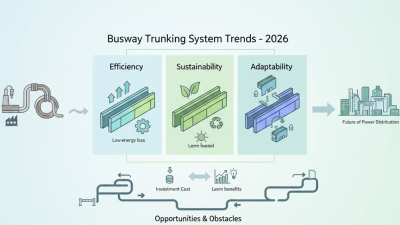
What are the Benefits of Busway Power Distribution Systems?
In today's energy landscape, Busway Power Distribution systems have emerged as an efficient alternative for electricity distribution. As David Thompson, an expert in electrical engineering, states, “Busway systems optimize space while enhancing safety and reliability.” This technology is transforming how facilities manage electrical power.
Busway Power Distribution offers numerous benefits, including flexibility and scalability. These systems allow for easy modifications without extensive downtime. Businesses can adapt their electrical infrastructure to meet changing needs. However, some may overlook the importance of proper installation and maintenance.
The safety features of Busway systems play a crucial role in enhancing operational reliability. For instance, many designs include built-in protection against overloading. Nevertheless, organizations must continuously assess their systems to ensure they meet evolving safety standards and efficiency goals. In an age where energy management is paramount, understanding these benefits is essential for making informed decisions.
Overview of Busway Power Distribution Systems
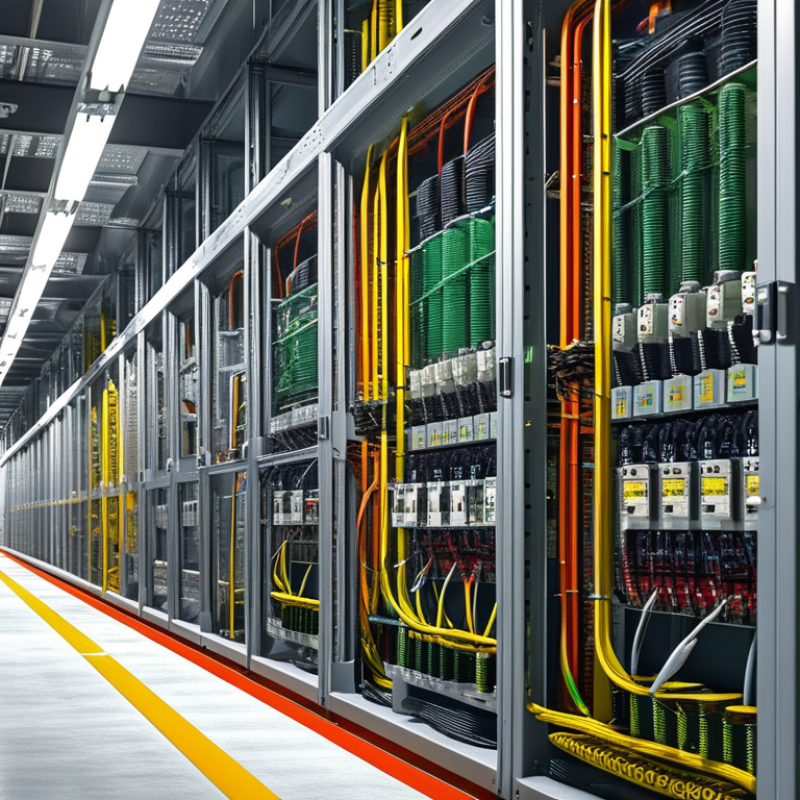
Busway power distribution systems serve as a modern solution for efficient electrical distribution in buildings. These systems utilize busbars, which are conductor bars, to transport power. This eliminates the need for cumbersome wiring, making installation faster and easier. The compact design facilitates space-saving solutions in often crowded environments.
One of the main benefits of a busway system is its flexibility. Users can easily add or modify circuits without extensive reconfiguration. This adaptability caters to evolving electrical needs, which can be critical for dynamic facilities. However, contractors may sometimes overlook the importance of regular maintenance. Neglecting this aspect can lead to unforeseen issues like overheating or outages.
Furthermore, busway systems improve safety by minimizing the risks associated with traditional wiring. They reduce potential fire hazards with their insulated designs and lower labour costs during installation. That said, misconceptions about their complexity can deter some users. Education on proper usage and installation can help harness their full potential in power distribution.
Key Advantages of Busway Systems in Electrical Distribution
Busway power distribution systems offer distinct advantages for modern electrical infrastructure. These systems, designed for efficiency and flexibility, significantly reduce installation time compared to traditional wiring methods. According to a study by the National Electrical Contractors Association, busway systems can decrease labor costs by as much as 30%. This efficiency stems from their modular design, which allows for easy adjustments and expansions as demand grows.
One key advantage is the improved safety profiles that busway systems provide. With enclosed conductors, the risk of electrical faults can be minimized. Industry reports indicate a 25% reduction in electrical fires attributed to the use of busway systems over conventional wiring solutions. Furthermore, busway systems enhance energy efficiency through reduced resistance losses. A well-designed system can achieve efficiency ratings above 99%, significantly lowering energy costs for commercial buildings.
In adopting busway systems, professionals should consider design parameters carefully. Poor layout can lead to inefficiencies. Regular maintenance checks are advisable to ensure optimal functionality. While busway systems may have higher upfront costs, their long-term benefits often outweigh initial investments. This reflection on value must guide decision-making in electrical distribution planning.
Benefits of Busway Power Distribution Systems
| Benefit |
Description |
Impact |
| Space Efficiency |
Busway systems require less space compared to traditional cable systems. |
Allows for more flexible equipment placement and layout. |
| Ease of Installation |
Installation is quicker and requires fewer labor hours. |
Reduces overall project time and costs. |
| Flexibility |
Easy to add or change power distribution points as needed. |
Enhances adaptability for future expansions. |
| Reduced Maintenance |
Busway systems typically require less ongoing maintenance. |
Lowers operational costs and downtime. |
| Safety |
Busway systems are designed to minimize electrical hazards. |
Enhances workplace safety for employees. |
Comparative Analysis: Busway vs. Traditional Power Distribution
Busway power distribution systems offer a distinct alternative to traditional methods. These systems employ aluminum or copper busbars, making them more efficient. The installation process is faster compared to conventional cabling. This speed translates into lower labor costs and shorter project timelines. However, the initial investment for busway systems can be higher. This raises questions about long-term value for particular projects.
In terms of flexibility, busway systems are advantageous. They allow for easy modifications and expansions without extensive rewiring. This adaptability suits rapidly changing environments like data centers. Traditional power systems may struggle with reconfiguration, leading to downtime. While busways can enhance efficiency, they are not immune to drawbacks. Maintenance can be more complex due to their design and potential heat issues.
Safety is paramount in power distribution. Busway systems often include better insulation and are less prone to electrical faults. However, this does not eliminate all risks. Ongoing assessment and monitoring are essential for optimal performance. Both types of systems have unique strengths and weaknesses. The choice between busway and traditional distribution hinges on specific project needs and future considerations.
Cost Efficiency and Maintenance Benefits of Busway Systems
Busway power distribution systems offer significant cost efficiency and maintenance benefits. A study by the Electric Power Research Institute shows that these systems can reduce installation costs by up to 30%. This is largely due to their modular design, which allows for quicker installation and less labor. Reduced installation time means lower overall project costs, which is crucial for budget-sensitive projects.
Maintenance is another critical aspect where busway systems excel. The low-profile design often results in fewer systems being damaged. According to a report from the National Association of Electrical Distributors, busway systems can decrease maintenance costs by up to 20% compared to traditional wiring methods. This reduction stems from their durable construction and the ability to perform maintenance checks with minimal disruption.
Regarding installation efficiency, ensure your team is well-trained. Familiarity with busway systems can streamline the installation process significantly. Conduct regular training to keep skills sharp. Regular inspections are essential. Identify wear points early to prevent costly replacements later. Lastly, document maintenance schedules and inspections thoroughly. Good records can prevent issues from escalating, enhancing system longevity.
Applications and Industries Utilizing Busway Power Distribution
Busway power distribution systems have gained traction in various industries due to their efficiency and flexibility. These systems are particularly prevalent in manufacturing facilities, commercial buildings, and data centers. According to a recent report by Frost & Sullivan, the busway market is projected to grow at a compound annual growth rate (CAGR) of 8.5% from 2022 to 2028. This growth reflects a shift toward sustainable energy solutions and reduced operational costs.
In manufacturing, busways can streamline power distribution with ease. They eliminate the need for lengthy cable runs, which can consume valuable space and resources. Reports indicate that companies utilizing busway systems have seen reductions in installation times by 30%. This quick installation is vital for industries facing tight project timelines. Additionally, the modular nature allows for future expansions without significant overhauls.
The data center industry also benefits greatly from busway systems. They provide flexibility for adapting to dynamic loads, crucial for handling fluctuating data demands. A study by IDC suggests that server capacity can increase by up to 25% when busway systems are implemented. However, some facilities may struggle with initial costs or installation disruptions. Balancing these challenges with the long-term savings busway systems offer is important for decision-makers in these sectors.