10 Best Busway and Bus Duct Systems for Efficient Energy Distribution?
Efficient energy distribution is crucial in modern facilities. Busway and bus duct systems are essential components in this process. They facilitate the safe and effective transfer of electrical power. Selecting the right systems can significantly impact operational efficiency.
Busway and bus duct systems come in various designs and configurations. Each type serves unique purposes and applications. Understanding their differences allows for better decision-making. These systems are often evaluated based on efficiency and reliability. Businesses must consider their specific energy needs before investing.
There is room for improvement in the current offerings. Not every busway or bus duct system is ideal for every situation. Some may lack flexibility or require extensive maintenance. An optimal choice often involves balancing performance and cost. Users should remain vigilant about the latest advancements and best practices in energy distribution systems.
10 Key Factors to Consider When Choosing Busway and Bus Duct Systems
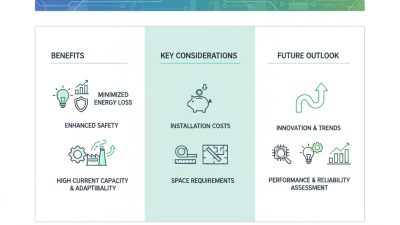
When selecting busway and bus duct systems for energy distribution, several key factors come into play. Efficiency in energy transfer can directly impact the overall performance of industrial and commercial electrical systems. According to a report from the International Electrotechnical Commission (IEC), poorly designed systems can lead to energy losses of up to 30%. This highlights the importance of choosing high-quality materials and effective designs.
Safety is another crucial consideration. Systems should meet specific international standards to ensure compliance and minimize risk. A study by the National Fire Protection Association (NFPA) reveals that over 50% of electrical fires stem from faulty installations. Investing in systems that provide adequate protection measures is essential not only for compliance but also for the longevity of the infrastructure.
Installation and maintenance play vital roles too. A complex setup may incur higher labor costs and maintenance challenges. Research shows that more straightforward systems usually promote lower maintenance frequency, reducing overall operational costs. Additionally, adaptability for future upgrades is vital. As energy demands evolve, systems should accommodate expansion with minimal disruption. Finding a balance among these factors can seem daunting, but it is essential for creating a reliable energy distribution backbone.
10 Best Busway and Bus Duct Systems for Efficient Energy Distribution
| Busway/Duct Type |
Current Rating (A) |
Material |
Application |
Key Feature |
| Aluminum Busway |
2000 |
Aluminum |
Commercial |
Lightweight |
| Copper Bus Duct |
3000 |
Copper |
Industrial |
High conductivity |
| Steel Enclosed Busway |
1500 |
Steel |
Heavy-duty |
Robust design |
| Modular Busway |
4000 |
Aluminum |
Flexible systems |
Easy to install |
| Fire-resistant Bus Duct |
2500 |
Steel |
Safety critical |
Fire rated |
| Low Voltage Busway |
600 |
Aluminum |
General use |
Cost-effective |
| Busbar Trunking System |
3200 |
Copper |
Large Facilities |
High capacity |
| Underground Busway |
5000 |
Steel |
Subway Systems |
Space-saving |
| Integrated Busway System |
3600 |
Aluminum |
All-purpose |
Compact design |
| Flexible Bus Duct System |
2800 |
Copper |
Retail Centers |
Versatile routing |
Comparison of Popular Busway Systems Based on Energy Efficiency Ratings
Efficient energy distribution is essential for modern electrical systems. Busway and bus duct systems are popular solutions for maximizing energy efficiency. When comparing various systems, it's clear that each design has its pros and cons.
One key factor is the conductivity and thermal performance of the materials used. Aluminum and copper are common choices. Aluminum is lighter but less conductive than copper. This often means more material is needed for the same efficiency level. Temperature rise can vary widely among systems, impacting long-term performance. Reliability is often tied directly to these thermal characteristics.
Installation and maintenance can also impact energy efficiency ratings. A poorly installed system can lead to energy losses. If joints are not properly aligned, the efficiency of the entire system could suffer. Regular inspections and maintenance reduce risks, but they are often neglected. Thus, while busway systems can provide significant efficiency benefits, proper management is crucial for success. Evaluating these factors is critical for any facility aiming for optimal energy distribution.
10 Best Busway and Bus Duct Systems for Efficient Energy Distribution
This chart compares the energy efficiency ratings of the top 10 busway and bus duct systems available in the market, showcasing their performance in terms of energy loss percentage.
Analysis of Bus Duct Systems: Load Capacity and Voltage Requirements
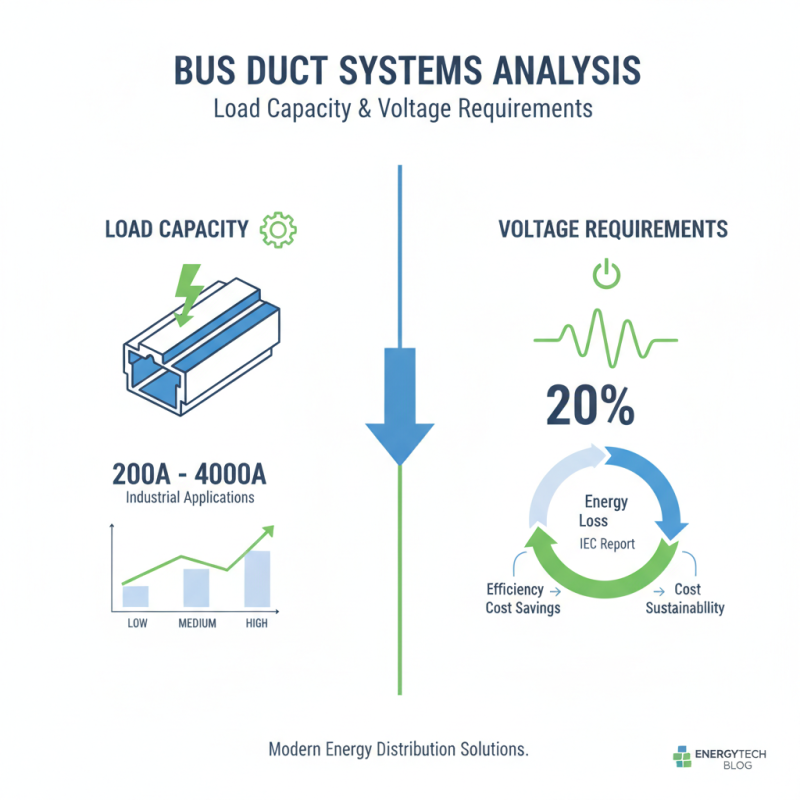
Bus duct systems play a vital role in modern energy distribution. Their design must meet specific load capacities and voltage requirements. The average load capacity for most industrial bus ducts ranges from 200 to 4000 A, depending on the application. According to a recent report by the International Electrotechnical Commission, a well-designed bus duct can minimize energy losses by up to 20%. This efficiency is crucial for large-scale operations where every watt counts.
Voltage requirements for bus duct systems vary widely. They can range from low-voltage applications (up to 1000 V) to medium-voltage ones (between 1 kV and 35 kV). A study by the Institute of Electrical and Electronics Engineers highlights that choosing the correct voltage rating is essential for safety and operational efficiency. Incorrect voltage levels can lead to overheating or component failure, resulting in unplanned downtime and increased costs.
Moreover, while bus duct systems offer numerous advantages, they are not without challenges. Poor installation practices can compromise performance. Inadequate cooling can lead to overheating, especially in high-load scenarios. This serves as a reminder of the importance of proper design, installation, and regular maintenance to ensure their effectiveness. Recognizing these factors can significantly enhance the reliability of energy distribution in various settings.
Case Studies: Successful Implementations of Busway Systems in Industrial Settings
In recent industrial applications, busway systems have proven crucial for efficient energy distribution. Case studies highlight significant improvements in power management. For instance, a facility in the automotive sector reported a 20% reduction in energy losses after implementing a busway system. The streamlined design minimizes resistance, which leads to decreased energy consumption.
Furthermore, a food processing plant showcased a successful deployment of bus duct systems. They achieved a 30% increase in operational efficiency by upgrading to a modular busway system. This flexible approach allowed for quick reconfiguration during seasonal production changes. However, these installations also revealed some challenges. Initial setup costs can be high, and retrofitting existing layouts may complicate implementation.
Analysis from the International Energy Agency underscored that modern busway systems can enhance safety standards, reducing fire risks associated with traditional cabling. Yet, while the safety benefits are clear, ongoing maintenance and inspections are necessary. Over time, dust accumulation and thermal expansion can affect performance, highlighting the importance of regular assessments. Investing in education on system upkeep can mitigate these concerns.
Future Trends in Busway and Bus Duct Technologies for Energy Distribution
The future of busway and bus duct technologies is bright and essential for efficient energy distribution. According to a report by the International Energy Agency, energy demand is projected to increase by 30% by 2040. This surge necessitates innovative approaches in how we manage and distribute energy. Busways can efficiently handle high currents and reduce energy losses, providing a reliable solution for modern infrastructure.
Recent trends indicate a move towards sustainable materials in bus duct systems. Engineers are researching new composites that are lighter yet more durable. A study conducted by Energy & Policy Institute highlighted that integrating these materials can cut installation time by 25%. Additionally, smart bus duct systems that utilize IoT technologies are emerging. These advanced systems offer real-time monitoring, enabling operators to adjust loads dynamically and enhance overall efficiency.
However, the industry faces challenges. Implementation costs for these advanced technologies can be significant. According to market analysis, 60% of companies remain hesitant to invest in new systems due to budget constraints. As innovation accelerates, manufacturers must find ways to balance performance with affordability. This reflection on current practices can lead to a more sustainable approach in the energy sector.