Why Choose Busway or Bus Duct for Your Power Distribution Needs?
Busway and Bus Duct systems have become essential components in modern power distribution. According to a report by the Electrical Industry Association, the global market for busways is projected to grow at a CAGR of 7% from 2021 to 2026. This growth reflects the increasing demand for efficient and reliable power solutions across various industries.
Experts emphasize the advantages of Busway and Bus Duct systems. John Smith, a leading authority in electrical engineering, states, "Busway systems offer unparalleled flexibility and scalability in design." This flexibility is crucial for facilities that require frequent power adjustments. Moreover, the reduced installation and maintenance costs associated with these systems are significant factors driving their popularity.
However, it's important to recognize that Busway and Bus Duct solutions may not suit every application. The choice should consider factors like load requirements and installation space. Evaluating these aspects is vital to maximize the efficiency and reliability of power distribution systems. A careful approach ensures that the right solutions are implemented to meet specific needs.
Understanding Busway and Bus Duct: Definitions and Differences
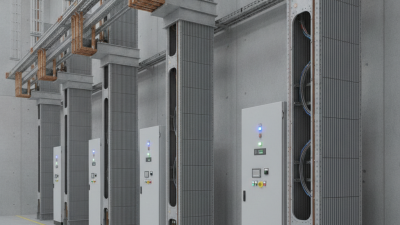
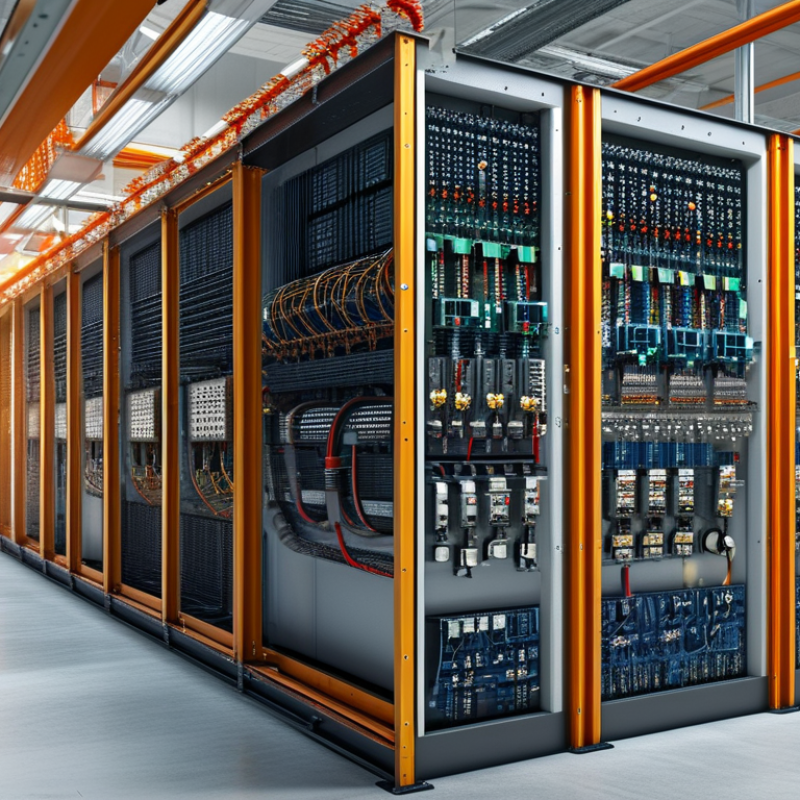
Busways and bus ducts are critical in power distribution systems. While both serve to conduct electricity efficiently, they are designed for different applications. Busways consist of metal enclosures that house multiple conductors. They are often used in commercial buildings for their flexibility in layout. In contrast, bus ducts usually consist of a series of insulated busbars. They are commonly found in industrial settings where high current capacity is essential.
Research indicates that busways can provide up to 30% more efficiency in power distribution than traditional wiring methods. They allow for quick changes and expansions, essential in dynamic environments like manufacturing plants. On the other hand, bus ducts tend to have a higher capacity for power needs, making them suitable for heavy electrical loads. The choice depends on the specific requirements of a project, including space, load capacity, and design flexibility.
Consider environmental factors when selecting either system. Busways are easier to install but may take up more physical space. Bus ducts, while compact, can be more challenging to install. Always evaluate the installation environment and future expansion potential. Efficient planning can save time and money in the long run.
Key Advantages of Using Busway for Power Distribution Systems
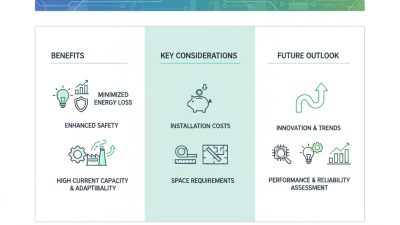
Busway systems offer unique advantages for power distribution. Their design enhances efficiency and reduces installation time, making them a preferred choice in modern facilities. In environments where space is limited, bus duct systems minimize clutter while maximizing electrical capacity. They can easily adapt to changing layouts. This adaptability is crucial for evolving infrastructure needs.
Another significant benefit of busway systems is their thermal performance. They are engineered to dissipate heat effectively, reducing the risk of overheating. This feature contributes to a longer lifespan for electrical components. Additionally, the installation process is often simpler than traditional wiring methods. The modular nature allows for straightforward expansion when necessary.
It’s essential to consider the initial cost versus long-term savings. Although busway might require a higher upfront investment, the efficient operation and reduced maintenance can lead to cost-effectiveness. Still, there could be scenarios where traditional systems are more suitable. Evaluating specific requirements and potential challenges is key to making the right choice.
Efficiency and Cost-Effectiveness of Bus Duct Solutions
Bus duct solutions are gaining traction in power distribution systems, and for good reason. They offer remarkable efficiency and cost-effectiveness compared to traditional wiring methods. A recent industry report highlighted that bus ducts can reduce installation time by up to 40%. This is a significant advantage for businesses aiming to minimize downtime during installation.
The thermal performance of busways is also noteworthy. The ability to handle high current loads helps in reducing energy loss. According to the Electric Power Research Institute, energy losses in conventional wiring can reach as high as 10%. In contrast, properly designed bus duct systems can achieve lower losses, which directly translates to cost savings over time.
Moreover, maintenance costs for bus duct systems are often lower. While initial investments may seem high, the return on investment becomes apparent over the lifespan of the equipment. A study published in the Journal of Energy Management indicated that companies experienced a reduction of up to 30% in maintenance costs with busway systems. This aspect often gets overlooked but is crucial for long-term financial planning.
Efficiency and Cost-Effectiveness of Bus Duct Solutions
Applications of Busway and Bus Duct in Modern Facilities
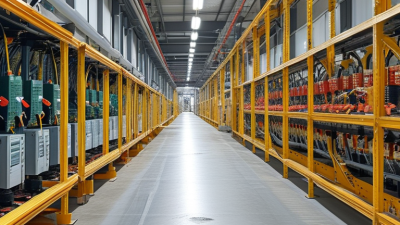
Busway and bus ducts are essential solutions in modern facilities for efficient power distribution. These systems are increasingly utilized in industrial environments, commercial buildings, and data centers. Their design allows for flexibility and easy installation, adapting to different layouts and future expansions. Busways can handle high currents while maintaining safety and reliability.
In manufacturing plants, busways support heavy machinery and power tools. They simplify wiring and reduce installation costs. Similarly, in data centers, bus ducts provide quick access to power without extensive cabling. This efficiency is crucial for managing energy loads. However, improper installation or inadequate system design can lead to overheating risks.
The choice between busway and bus duct often comes down to specific applications and requirements. It is important to assess the power load and facility layout. Ensuring regular maintenance is vital for long-term functionality. Stakeholders must consider these factors to maximize efficiency while minimizing potential issues. Adopting these systems is not just about initial costs; it’s about long-term reliability and adaptability.
Factors to Consider When Choosing Between Busway and Bus Duct
When deciding between busway and bus duct for power distribution, several key factors emerge. Efficiency is crucial. Bus ducts usually feature a lower overall impedance than busways. This can lead to reduced energy loss in systems requiring high current capacity. According to the National Electrical Manufacturers Association, systems employing bus ducts can improve energy efficiency by up to 15%. This efficiency often correlates with longer operational lifespans for electrical equipment.
Cost is another crucial consideration. Busways are generally more expensive upfront compared to bus ducts. However, they may require less maintenance over time, offering potential long-term savings. A recent study indicated that organizations investing in more durable systems witness a 20% decrease in repair costs annually. Also, think about installation flexibility. Bus ducts can be easier to install in confined spaces, making them advantageous in retrofitting scenarios.
Safety standards must not be overlooked. Busways typically have better thermal management capabilities, reducing risks of overheating. In environments with extreme conditions, this can be a significant advantage. Observing these factors can guide decision-making. Each facility has unique needs that should be evaluated to ensure optimal performance and reliability in power distribution.