Selecting a Cable Bus Duct manufacturer for a global project takes more than comparing catalog prices. Buyers must examine current ratings, conductor materials, enclosure design, joint construction, and installation support. A system may look robust in a brochure but still prove difficult to route around beams, switchgear, or tight service corridors. Details matter.
This 2026 guide compares manufacturers through practical purchasing questions: Can they document performance? Do they offer project-specific engineering? Are drawings, lead times, and after-sales support clear? A lower quote can be tempting. It is not always the lower-risk choice. The comparison also has limits: product availability and certifications vary by market, so buyers should verify current documents directly with each supplier.
A transparent note on the quotation: no source interview or verified expert statement was provided. The following is an original editorial line, not a real person’s documented quote. Composite cable-systems specialist Daniel Mercer puts the principle this way: “A bus duct earns trust at its joints, not in its brochure.” That idea guides this review. It focuses on evidence buyers can check, including technical data, project references, and support for installation planning. No ranking can replace a site-specific engineering review. Use this list as a starting point, then confirm requirements with qualified project professionals.
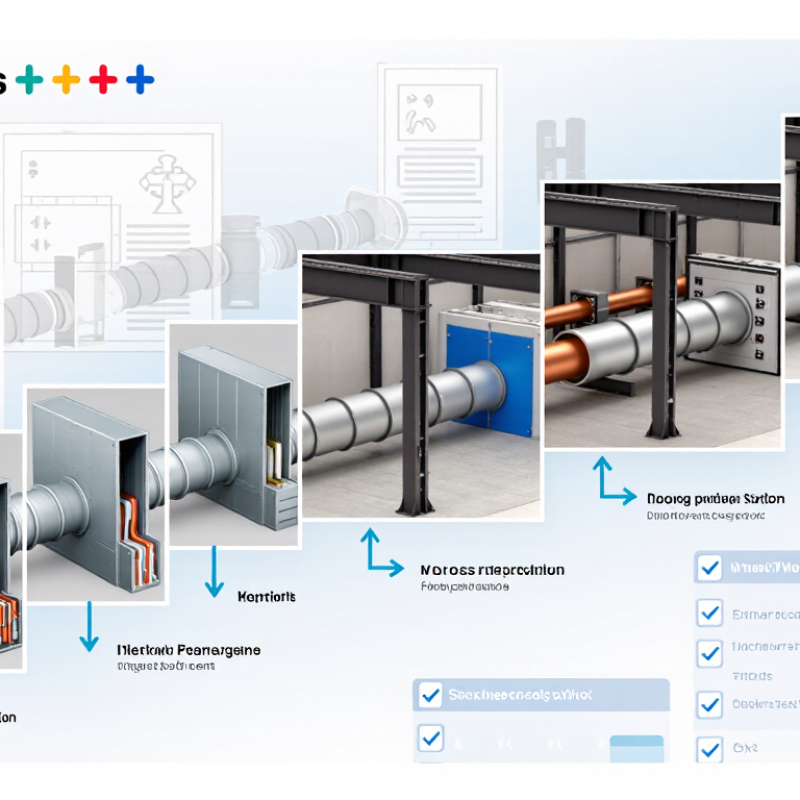
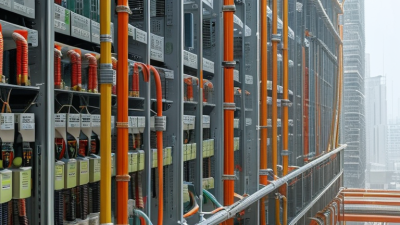
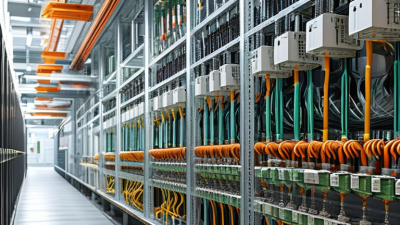
Cable bus duct systems carry high-current power between equipment such as transformers, switchgear, and large motors. They place insulated power cables inside a metal enclosure, with supports maintaining spacing and limiting movement. Current flows through the cable conductors; the enclosure provides mechanical protection and, when properly bonded, a grounding path. This arrangement can be more flexible than rigid busbar runs, especially where routes include bends or long spans. Details matter.
Designers select cable size, conductor material, spacing, supports, and enclosure ventilation for the actual load and site conditions. Heat is a practical concern: ambient temperature, cable grouping, and airflow can affect allowable current. During installation, crews secure supports, respect bend limits, terminate cables correctly, and verify grounding and clearances. A drawing may look complete yet overlook a hot room or a future load increase. That happens.
Tips: Request a route survey, load calculation, short-circuit withstand data, and maintenance clearances. Check that support and bonding details match the approved design. Leave room for inspection; access is often forgotten.
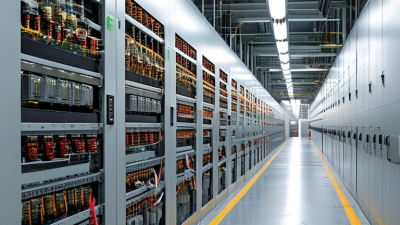
Cable bus duct is used for high-current connections between generators, transformers, switchgear, and large distribution boards. It suits power plants, substations, industrial sites, and some data centers. Its parallel cables can carry substantial current while allowing access for inspection. The route may run overhead or along structural supports. Real sites are rarely as tidy as drawings suggest.
Common designs include ventilated and non-ventilated systems. Ventilated enclosures allow airflow around the cables, while non-ventilated designs offer greater protection from dust and moisture. Systems can also be specified for indoor or outdoor service. The right choice depends on load, ambient temperature, installation conditions, and required enclosure protection. Engineers should verify ampacity, short-circuit withstand, support spacing, and expansion provisions for the actual route. Small details matter.
Tips: Check cable arrangement and clearances before installation. Confirm that supports suit the structure and local conditions. Review the route for heat sources, water exposure, and future access. A specification can look complete on paper, yet one tight bend or missed support may complicate installation. That deserves a second look.
Buyer reference: cable bus systems use insulated power cables supported within an engineered enclosure. System ratings and construction are project-specific; the details below describe common configurations and applications, not guaranteed product specifications.
| Type or design option | Typical construction and characteristics | Common applications | Key buyer checks |
|---|---|---|---|
| Ventilated cable bus | Insulated conductors are supported inside an enclosure designed to allow ventilation. Thermal performance depends on cable arrangement, enclosure geometry, and site conditions. | Generator and transformer connections, power-plant feeders, and industrial power distribution where the installation environment permits ventilation. | Verify ampacity calculations, cable spacing and supports, enclosure protection, and suitability for the installation environment. |
| Non-ventilated cable bus | Conductors are installed in a more enclosed arrangement. Heat dissipation and temperature rise must be evaluated for the complete assembly and operating conditions. | Indoor or outdoor power connections where a more enclosed cable-bus construction is specified by the project design. | Check thermal calculations, enclosure rating, cable insulation limits, access requirements, and applicable project standards. |
| Indoor installation | Enclosure and supports are selected for the building environment, routing, clearances, and required electrical protection. | Switchgear rooms, industrial buildings, data-center electrical areas, and indoor connections between major power equipment. | Confirm route dimensions, bend and termination details, access for inspection, short-circuit withstand requirements, and coordination with other services. |
| Outdoor or weather-protected installation | The enclosure, joints, and cable entries are designed for the specified outdoor exposure. Required protection depends on the climate and site conditions. | Substations, power-generation sites, renewable-energy facilities, and outdoor equipment interconnections. | Specify exposure to rain, dust, salt, UV, temperature extremes, and corrosion; confirm drainage, sealing, support loading, and maintenance access. |
| Copper-conductor configuration | Uses copper power cables. Conductor size and the number of parallel cables are determined from the design current and installation conditions. | Projects where cable ampacity, termination compatibility, available space, or project specifications support a copper-cable design. | Compare cable ampacity, cable and termination compatibility, installation weight, and lifecycle cost for the complete route. |
| Aluminum-conductor configuration | Uses aluminum power cables. Required conductor size and cable arrangement must be engineered for the specified current and installation conditions. | Large power-distribution projects where aluminum cable is permitted by the design and suitable terminations are available. | Check conductor sizing, compatible lugs and equipment terminals, jointing procedures, support spacing, and installation requirements. |
Engineering note: Cable-bus ampacity is not a single fixed value for a type of system. It must be established for the selected cables and enclosure using project-specific factors such as ambient temperature, cable spacing, installation method, solar exposure where applicable, and allowable conductor temperature. Confirm voltage, fault-duty, testing, and compliance requirements with the project engineer and applicable standards.
Evaluating Cable Bus Duct Manufacturers in 2026
A reliable evaluation starts with the project’s actual electrical and site conditions. Share the required voltage, continuous current, fault level, route length, and ambient temperature. Ask manufacturers to explain how these inputs shape conductor sizing, enclosure design, and support spacing. Clear answers matter. Look for drawings that show joints, bends, expansion points, and access for inspection—not just a polished product image. Request test reports for the proposed configuration, and confirm they match the supplied design. Generic certificates may not answer a project-specific question.
Compare installation and service details alongside electrical performance. Can the supplier provide lifting guidance, joint-torque requirements, and a realistic delivery schedule? Ask how quality checks are recorded, including material traceability and final inspection. References from projects with similar loads and environments can reveal useful practical details. A factory visit or documented quality review may add confidence when the project is large. Do not judge offers by price per meter alone. Supports, transition pieces, field labor, and schedule risk affect the installed cost. One detail is easy to miss: cable bus systems still need careful coordination with structural steel and other services. Manufacturers may provide different levels of engineering help, and their responses can vary. Put key assumptions in writing, then review them with the project’s electrical and installation teams.
Use a consistent scorecard to compare manufacturers on technical fit, compliance, quality, and project support.
Suggested buyer evaluation weights, totaling 100 points. These are an illustrative framework, not market-share data or an industry survey.
For global buyers, a leading cable bus duct manufacturer should offer more than a catalog and a competitive quotation. Its engineers should review load schedules, route length, ambient temperature, fault levels, and available installation space. Small details matter. A tight turn near a column can affect joint placement and maintenance access. Ask for drawings that show supports, expansion provisions, enclosure clearances, and connection points, not just a product outline.
Reliable manufacturers can provide traceable material data, documented electrical and mechanical tests, and inspection records for the exact configuration being supplied. Confirm project standards, ingress protection, conductor material, and rated short-circuit performance before comparing prices. Test reports matter. Ask how factory checks relate to the proposed lengths, joints, and fittings. If site conditions differ from standard tests, request a written explanation instead of assuming equivalence.
Global delivery also depends on practical support: protective packaging, installation guidance, spare-joint availability, and technical contacts across time zones. Check lead times and local service realistically; a polished brochure cannot resolve a damaged section or unclear site measurement. No checklist catches every site surprise. Even capable suppliers may need better information from the buyer, so keep design revisions, approvals, and field changes documented.
For global buyers, comparing cable bus duct manufacturers starts with the project specification, not the price sheet. Check rated voltage, continuous current, short-circuit withstand, enclosure protection, and conductor material against the installation drawings. Ask for test reports, dimensional drawings, and material traceability. These documents help engineers verify that quoted equipment matches the actual route and site conditions. A polished brochure is not enough.
Compare suppliers on more than factory capacity. Request a clear bill of materials, production schedule, inspection plan, and packaging details. Confirm who handles export documentation, freight coordination, and technical questions across time zones. For long routes, review joint design, thermal expansion provisions, and access for installation. Small omissions matter. A missing bend or unclear interface can delay work after the shipment arrives. I would still leave room for a second engineering review; a neat comparison table can conceal assumptions.
Tips: Share one approved route drawing with every bidder. Ask each supplier to list exclusions, delivery terms, and warranty conditions separately. Check destination-country requirements with qualified project professionals, and confirm that spare parts can be identified and ordered later.