2026 Top Lighting Bus Bar Innovations for Efficient Power Distribution?
In the evolving landscape of electrical infrastructure, the demand for efficient power distribution is ever-growing. As businesses and industries seek to optimize their energy consumption, innovations in the "Lighting Bus Bar" sector emerge as pivotal. Renowned expert Dr. Jane Smith states, "The future of power distribution lies in the seamless integration of advanced bus bar technologies." This insight highlights the critical role that lighting bus bars play in modern electrical systems.
Recent advancements are making lighting bus bars not only more efficient but also more adaptable. These innovations promise to reduce energy loss and improve overall safety. Manufacturers are now focusing on smart designs that cater to diverse applications, from commercial buildings to industrial setups. However, as we explore these developments, there is still a need for reflection. Some products fall short of expected standards, raising questions about reliability.
The lighting bus bar industry must address these concerns. Understanding consumer needs and bridging technology gaps is essential. The balance between innovation and practicality remains a challenge. As we look forward to 2026, the potential for improved power distribution with lighting bus bars is immense, but it is crucial to ensure that these innovations meet industry demands.

Overview of Bus Bar Technology and Its Importance in Power Distribution
Bus bar technology plays a critical role in modern power distribution systems. It serves as a vital component that efficiently conducts electricity. The use of bus bars minimizes resistance, which enhances overall energy transmission. This technology reduces energy losses, making power distribution more efficient.
In many industrial settings, bus bars are preferred for their ability to handle high current loads. They provide a space-efficient solution, reducing the need for extensive wiring. However, there are challenges. Improper installation or sizing can lead to overheating and potential failure. Regular inspections are essential to ensure reliability and safety.
Recent innovations focus on improving the material composition of bus bars. Lightweight materials and better conductivity can enhance performance. Yet, there remains a knowledge gap in understanding these advancements. Engineering teams need ongoing training to adapt to these changes. Embracing these innovations can lead to significant improvements in power efficiency, but a cautious approach is necessary.
Key Innovations in Bus Bar Design for Enhanced Efficiency
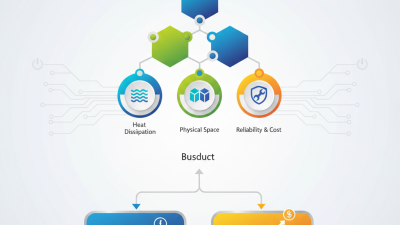
In the realm of electrical power distribution, bus bar innovations are critical. Enhanced efficiency is a key driver behind the latest designs. Advanced materials and streamlined shapes contribute to reducing energy loss. New thermal management techniques allow for better heat dissipation. This ensures systems run cooler and more reliably. Engineers are now focusing on modular designs that offer flexibility. Customization caters to various applications, making systems more adaptable.
Tips: Consider the environment where the bus bars will be deployed. The higher the temperature, the greater the need for efficient thermal management. Regular maintenance checks can prevent overheating and prolong system life.
Designs also incorporate smart technology. Sensors provide real-time monitoring of current flow. This data enables proactive maintenance and helps identify potential issues early. The integration of AI also optimizes load management across systems. However, reliance on technology can pose challenges. Ensuring the system remains resilient against power outages and cyber risks is vital.
Tips: Stay informed on the latest design practices. Participating in workshops and webinars can enhance your understanding. Collaboration with industry peers often leads to innovative solutions. Always consider potential risks and develop mitigation strategies.
Sustainable Materials and Their Role in Modern Bus Bar Solutions
Sustainable materials are transforming the landscape of bus bar solutions. The industry is increasingly focused on eco-friendly alternatives that minimize carbon footprints. For instance, a recent report indicates that using recycled aluminum can reduce energy consumption during production by up to 95%. This significant statistic highlights the urgent need for innovation.
Traditional materials like copper are effective but not always sustainable. Copper mining has severe environmental impacts. Alternatives like composite and bio-based materials are gaining traction. They offer similar conductivity while being lighter and reducing overall environmental harm. According to a study in the Renewable Energy journal, bus bars made from sustainable materials can lower emissions by approximately 30%.
Despite these advancements, challenges remain. The durability and performance of new materials often need to be rigorously tested. Some innovations may still lack the reliability seen in conventional options. As the industry pushes forward, the balance between efficiency and sustainability remains a critical conversation. Industry experts emphasize that continuous improvement and refinement are vital for these innovations to succeed.
Integration of Smart Technology in Bus Bar Systems
The integration of smart technology into bus bar systems is transforming power distribution. Recent data from the International Energy Agency indicates that smart grid technology can increase efficiency by up to 30%. Smart bus bar systems allow for real-time monitoring and management of power distribution. This leads to reduced energy waste and improved overall efficiency.
These systems utilize sensors and IoT devices. They collect data on energy flow and load conditions. This information enables proactive maintenance and reduces downtime. A report by Technavio shows that the global market for smart bus bars is projected to grow by 18% annually through 2026. However, as technology advances, there are concerns over cybersecurity threats. Addressing these vulnerabilities must become a priority for developers.
Moreover, companies face challenges in integrating smart technology with existing infrastructure. Retrofitting older systems may not always be feasible. Training for personnel on new systems can also be time-consuming. Achieving a seamless integration requires thoughtful planning and execution. Balancing innovation with practicality remains a crucial hurdle in this evolving landscape.
Future Trends and Market Predictions for Bus Bar Innovations
As we look to the future, the landscape of bus bar technology is evolving rapidly. Innovations will focus on enhancing efficiency in power distribution. Energy demands are rising, and traditional methods may not suffice. The transition to more advanced materials, such as lightweight composites, is on the horizon. These materials promise improved thermal management and lower energy losses.
Market predictions indicate a shift towards smart bus bars capable of real-time monitoring. This development could lead to significant cost savings and improved safety. Companies must adapt or risk falling behind. However, it's crucial not to overlook the importance of proper installation techniques. Flaws can arise from a lack of expertise, leading to failures in the system. Training and education will be vital as we embrace these new technologies.
Consumer feedback will play a pivotal role in shaping these innovations. Addressing user concerns can enhance reliability and performance. While the future is bright, challenges remain in terms of scalability and standardization. Every innovation must be scrutinized to ensure it meets industry standards and user expectations. Embracing change is essential, but caution must prevail to avoid pitfalls.
2026 Top Lighting Bus Bar Innovations for Efficient Power Distribution
This chart illustrates the projected market demand for various lighting bus bar innovations over the next few years, highlighting key technologies that are expected to drive efficiency in power distribution.